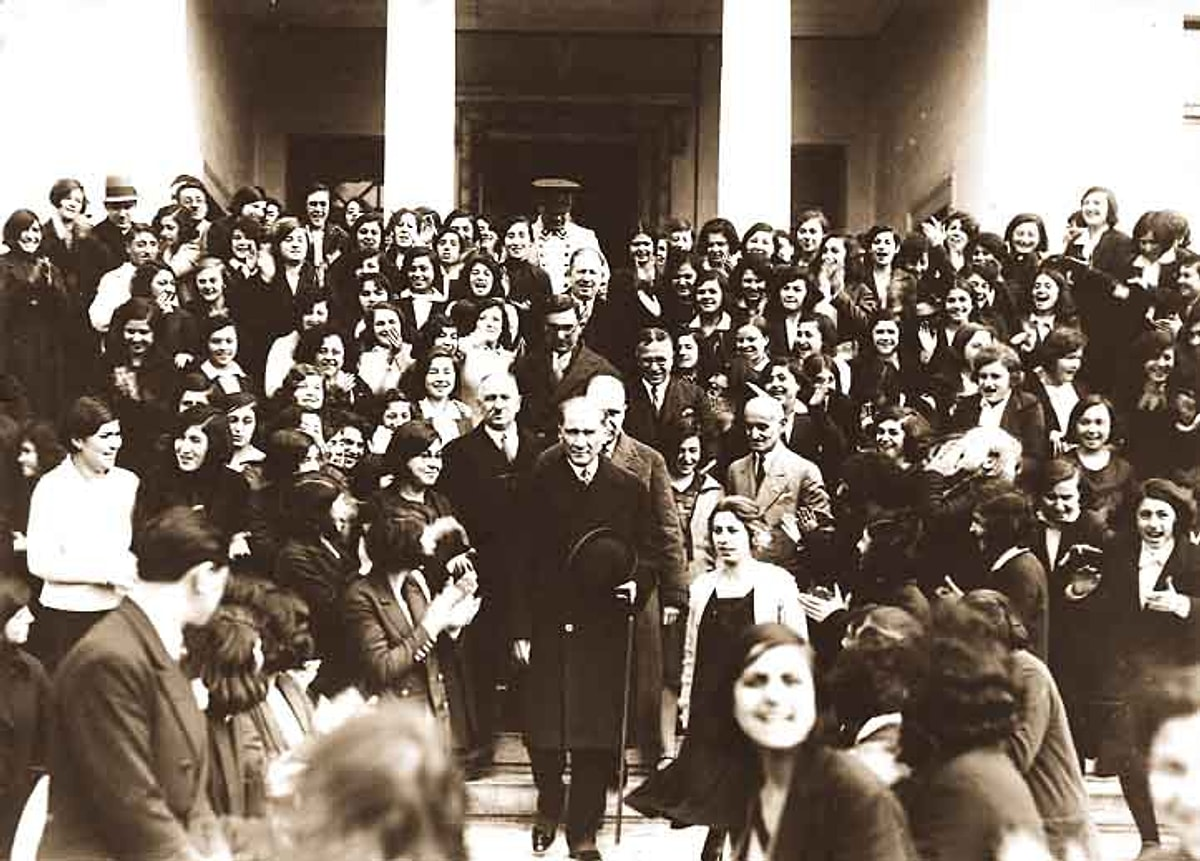
1881 — 1938

Mustafa Kemal Atatürk

Founder of the Republic of Türkiye

57
Years of Life
15
Years as President
∞
Years of Legacy

Military commander, reformer and founding president. Explore the decisions, conflicts and reforms that shaped his public life and the Republic of Türkiye.

Stories That Define Atatürk

Episodes from Atatürk's public and private life, presented with their historical setting and available evidence.

1934

Letter to the Mothers of ANZAC

Perhaps one of the most powerful expressions of reconciliation in modern history.

In 1934, Atatürk offered a heartfelt message to the mothers who had lost their sons at Gallipoli - the same soldiers who had once fought against him.

"Those heroes that shed their blood and lost their lives... You are now lying in the soil of a friendly country. Therefore rest in peace. There is no difference between the Johnnies and the Mehmets to us where they lie side by side here in this country of ours... You, the mothers who sent their sons from faraway countries, wipe away your tears; your sons are now lying in our bosom and are in peace. After having lost their lives on this land they have become our sons as well."

Significance: Atatürk recognized former enemies as equals and their sacrifice as honorable. This message transformed Gallipoli from a battlefield into a symbol of reconciliation, showing a leader capable of transcending nationalism for humanity.

1928-1929

The Teacher President

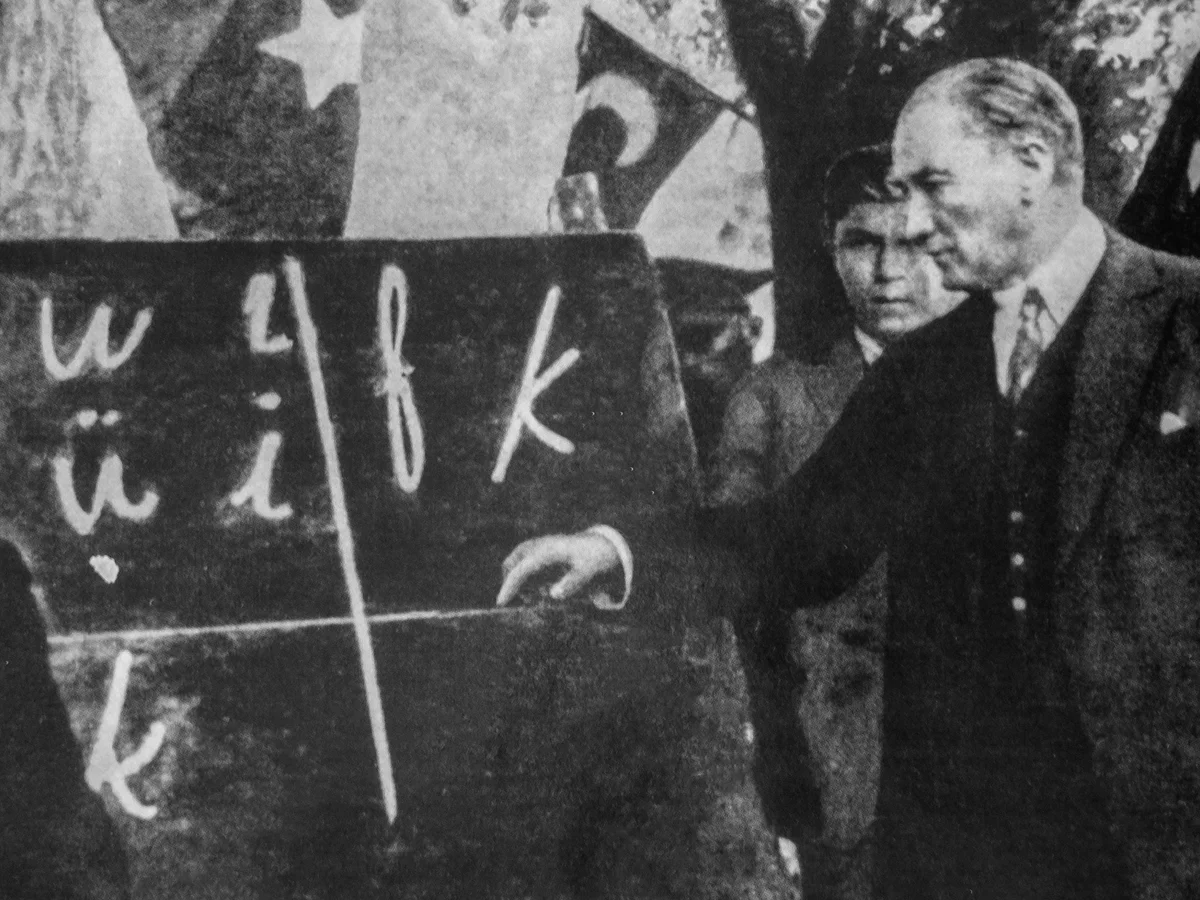
When Atatürk introduced the new Latin-based Turkish alphabet, he didn't just order it from the capital. At age 47, he personally traveled from village to village with a portable blackboard, teaching citizens-from children to elderly-how to read and write.

Atatürk teaching the alphabet

Photographs show him in parks, town squares, and classrooms, chalk in hand, teaching the alphabet. He would stop his car when he saw people and give lessons.

Significance: A head of state personally teaching farmers and laborers demonstrated that no one was beneath his attention. It showed leadership wasn't about commanding from above, but serving from within.

1935

Adopting the Orphans of War

Atatürk adopted 8 children and took 2 others under his protection. Many had lost their families or came from difficult circumstances following the wars. He took personal responsibility for their upbringing and education, visited them regularly, and maintained correspondence when away.

Sabiha Gökçen, Atatürk's adopted daughter

One adopted daughter, Sabiha Gökçen, became the world's first female combat pilot in 1936. He supported her dreams when society expected women to stay home. She later wrote, "He gave me not just a name, but wings to fly." Today, Sabiha Gökçen Airport in Istanbul is named in her honor.

Significance: His support affected the education and careers of the children in his care. Their public lives also became closely associated with the republic’s policies on education and women’s participation.

1915

"I Don't Order You to Fight, I Order You to Die"

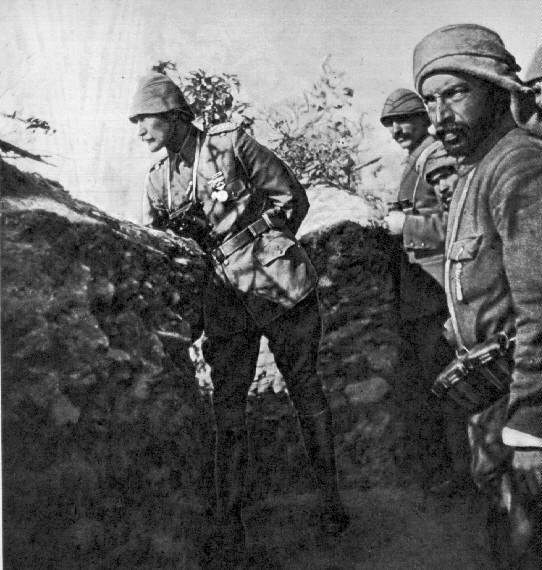
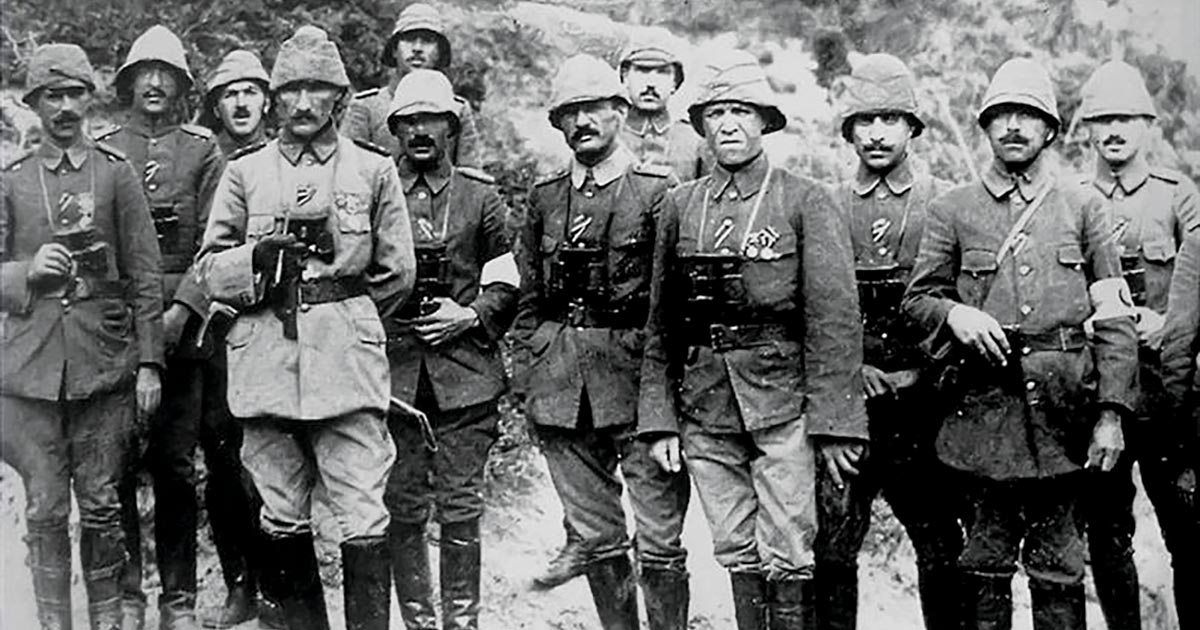
Atatürk at Gallipoli

At Gallipoli, when the 57th Infantry Regiment ran out of ammunition facing Allied forces, Atatürk gave this famous command: "I don't order you to attack. I order you to die. In the time it takes us to die, other forces and commanders can come and take our place."

What makes this moment truly remarkable is that he remained with his men. He did not command from a safe distance. He led from the front lines. During the fighting, a piece of shrapnel struck his pocket watch, which absorbed the impact and saved his life. According to historical accounts, he later gave the shattered watch to Liman von Sanders, commander of the 5th Army, as a souvenir on the night of August 10, 1915.

Significance: He asked nothing of his soldiers he wouldn't do himself. The 57th Regiment was nearly annihilated, but they held the line long enough to prevent a breakthrough. This moment defined his leadership: demanding but never distant.

1920s-1930s

The Reformer Who Danced

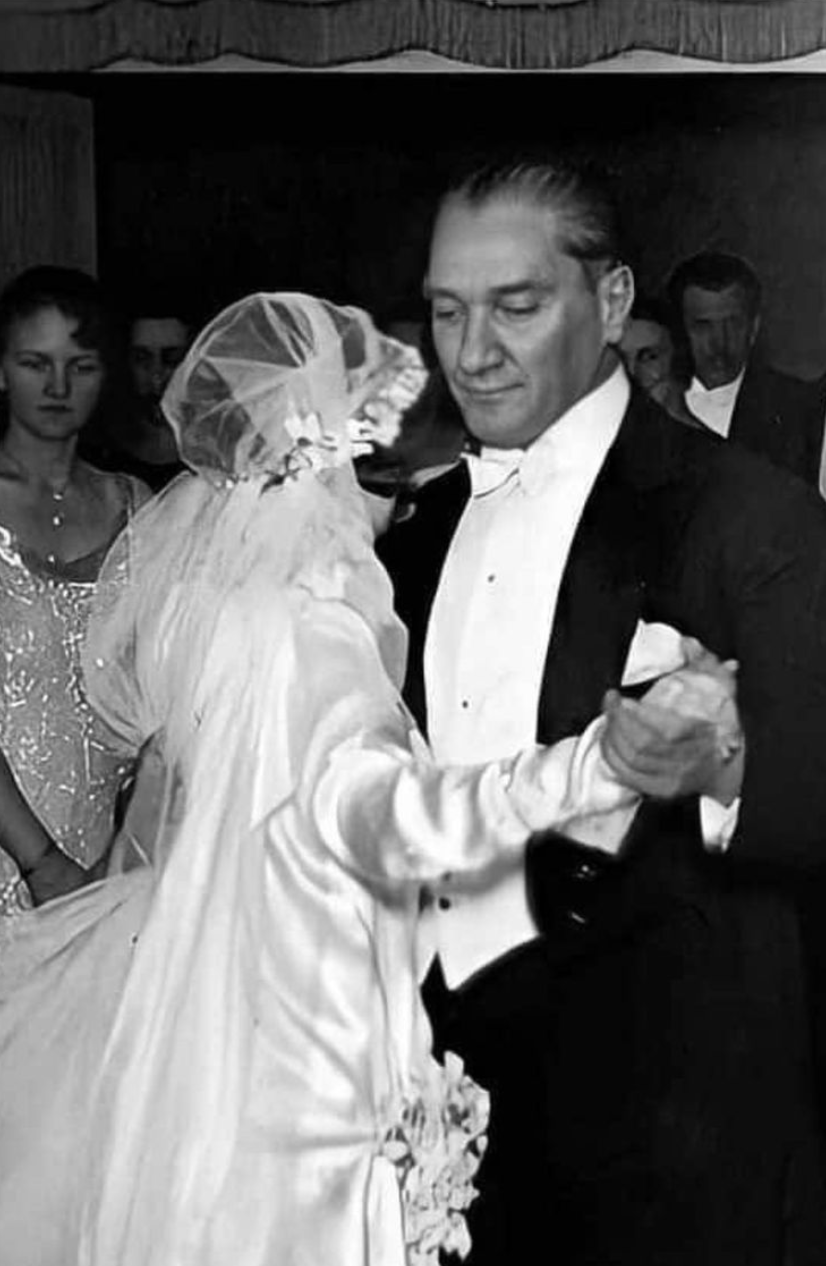
To demonstrate that European customs posed no threat to Turkish culture, Atatürk personally attended formal balls and publicly danced waltzes with women. In a conservative society where men and women rarely socialized together, this was nothing short of revolutionary.

Atatürk attending a waltz dance

Women, including Latife Hanım and his adopted daughters, appeared alongside him at public events. Their visibility reflected the wider debate over women's equal participation in the society.

Significance: Instead of just writing laws, he modeled the society he envisioned. He used his own behavior to normalize social changes, making modernization feel possible rather than imposed.

1920s

The Peasant's President

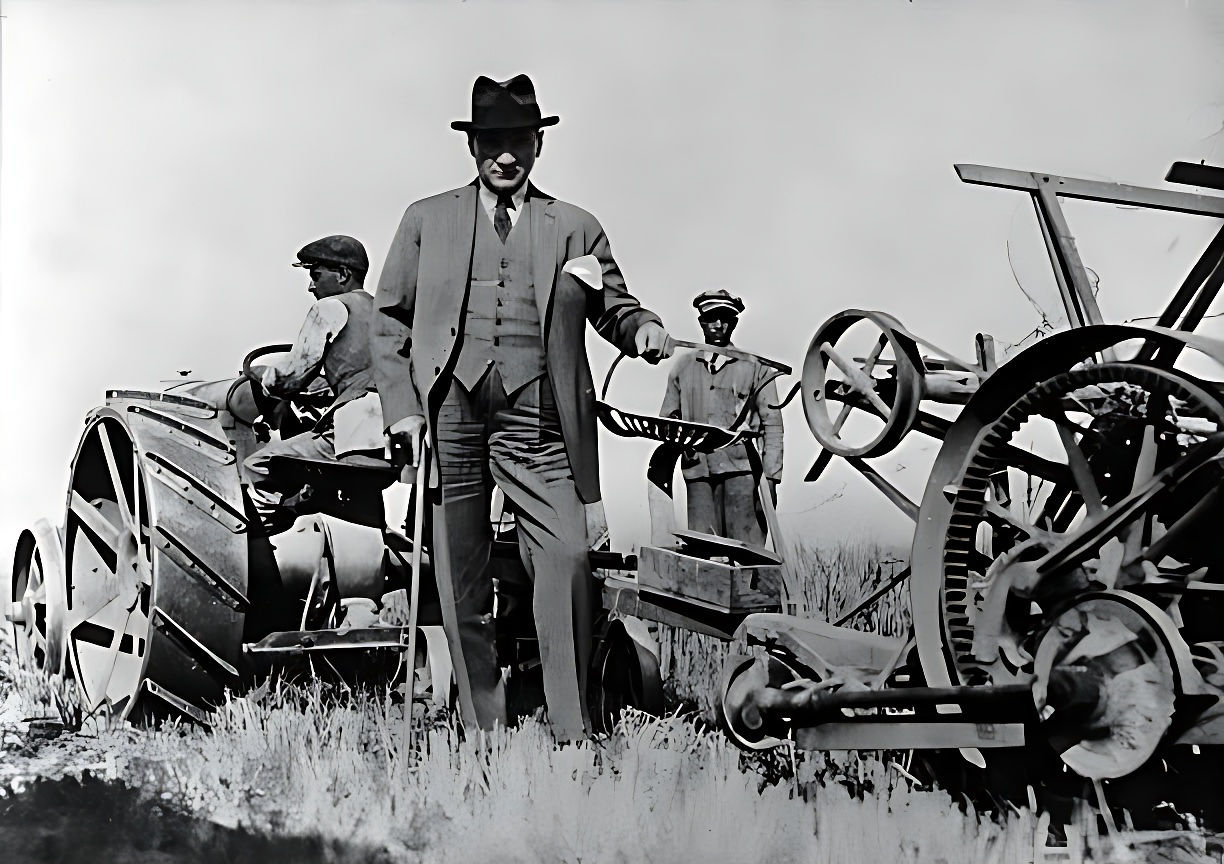
During his travels through Anatolia, Atatürk would often stop at farms and villages unannounced. He would sit with farmers, drink tea, and listen to their problems. He once famously said, "The true masters of Turkey are the peasants."

Atatürk visiting a farm

He established model farms where he personally experimented with modern agricultural techniques, later inviting local farmers to observe and learn from the results. Rather than relying on abstract theory, he demonstrated progress through practical application.

Significance: Despite his military rank and presidential office, he remained closely connected to ordinary citizens. His policies were not shaped in isolation but informed by direct conversations with the very people they would affect.

1922

Refusing to Be Sultan

After the War of Independence, many expected Atatürk to declare himself Sultan or establish a military dictatorship. Instead, he abolished the Sultanate entirely and established a republic based on sovereignty.

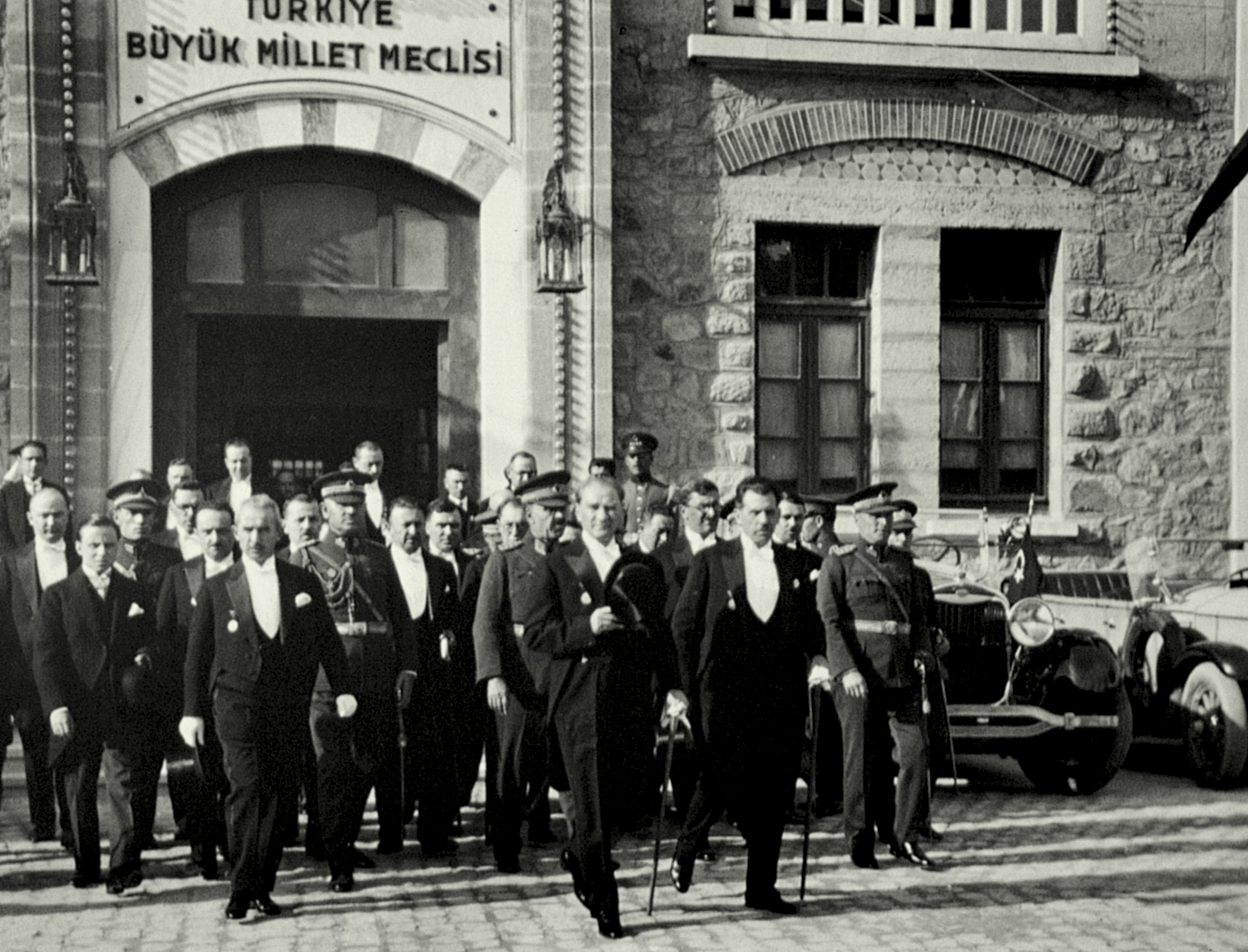
Establishment of the republic.

When the last Ottoman Sultan fled aboard a British warship, Atatürk could have chosen to rule in his place. Instead, he chose to build a republic based on democratic values and national sovereignty, declaring: “Sovereignty belongs unconditionally to the nation.”

Significance: At the height of his power, Atatürk ended dynastic rule and built a republic based on national sovereignty and democratic ideals. Because the new state was still fragile and faced revolts and resistance to its reforms, power remained centralised to protect the republic and secure its transformation into a modern, secular and democratic state.

1938

His Final Will

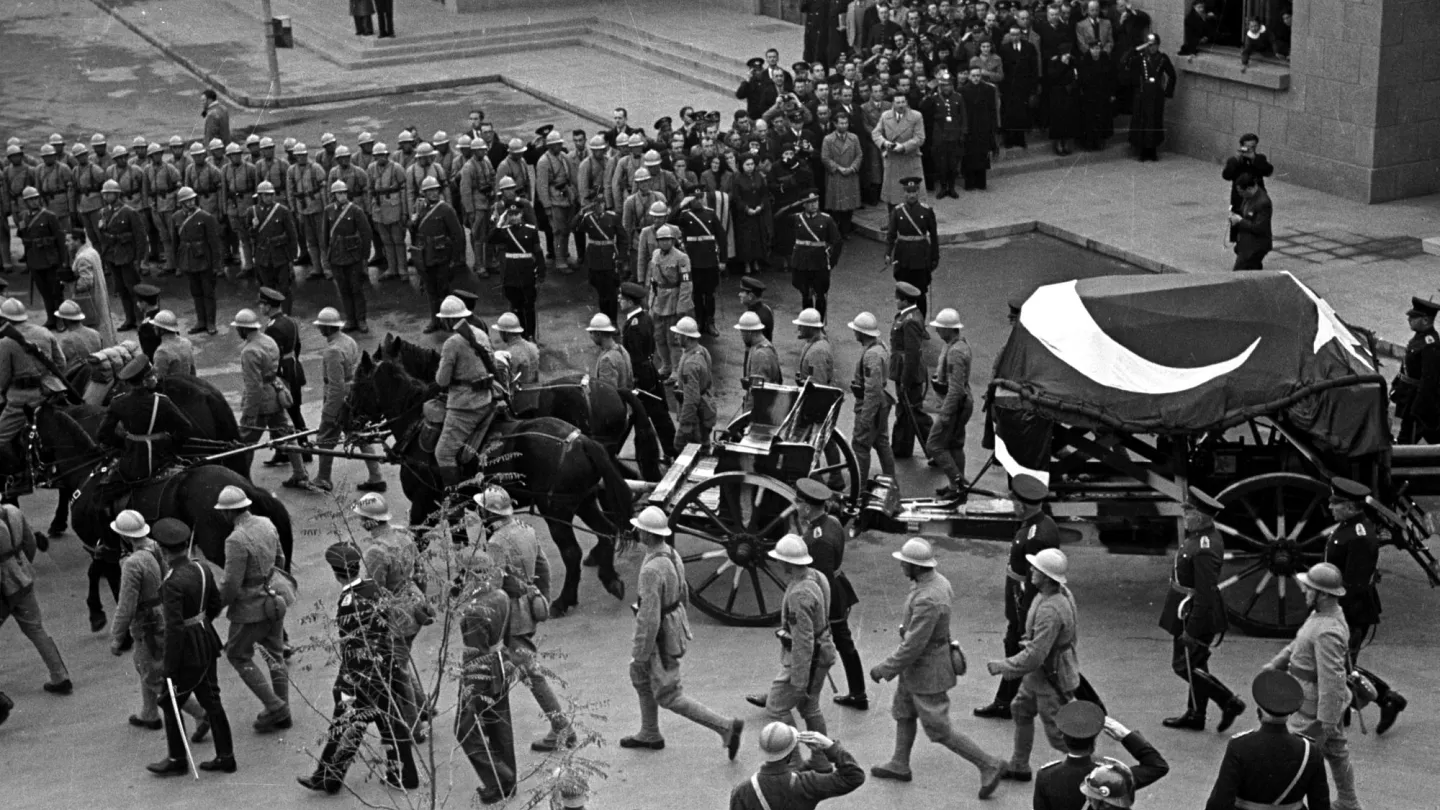
The day atatürk died.

When Atatürk died, his will surprised many. He left his entire estate to the Turkish nation: his farms were transferred to the state agricultural administration, his bank accounts were allocated to educational and language institutions, and even the rights to future royalties from his memoirs were dedicated to charitable causes.

He died with relatively modest personal possessions. The presidential palaces, the farms, and the assets were never his personal property. He lived in state residences, but he never treated them as private wealth or claimed them for himself.

Significance: Rather than building a personal dynasty or fortune, Atatürk transferred major properties, including farms, into public ownership. His will provided income for relatives and people in his care, while the remainder was directed to the Turkish Historical Society and Turkish Language Association.

The Life of Atatürk

Birth in Thessaloniki

Mustafa was born in Thessaloniki, then part of the Ottoman Empire. During military school, his mathematics teacher added the name “Kemal”, meaning “perfection.”

Military Education

Graduated from the Ottoman Military Academy and Staff College, showing exceptional strategic thinking and leadership abilities.

Battle of Gallipoli

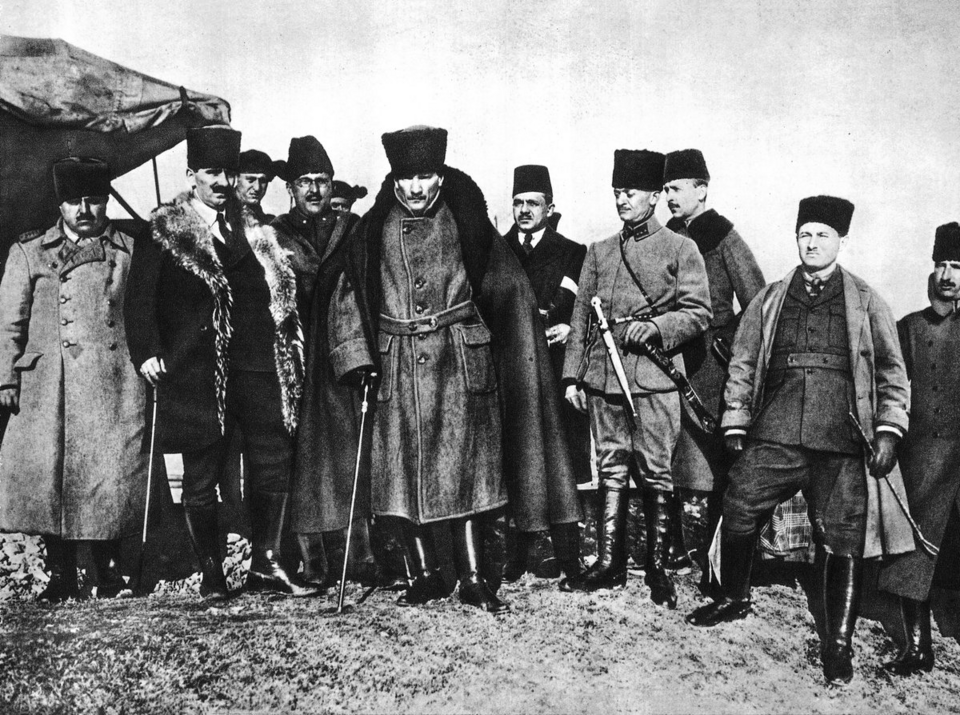
Commanded the Ottoman 19th Division during the Gallipoli campaign. His order “I am not ordering you to attack, I am ordering you to die!” became one of the campaign’s most remembered lines.

War of Independence

Led the Turkish National Movement against occupying forces and the Sultan's government, securing Turkey's sovereignty.

Republic Proclaimed

Founded the Republic of Turkey on October 29, 1923, and became its first president. Moved the capital from Istanbul to Ankara.

Revolutionary Reforms

Implemented sweeping modernization reforms including abolishing the Caliphate, adopting civil law, granting women's rights, and replacing Arabic script with Latin alphabet.

The Surname Atatürk

The Turkish parliament granted him the surname "Atatürk" meaning "Father of the Turks" in recognition of his service to the nation.

Death and Legacy

Atatürk died in Istanbul on November 10, 1938. Each year at 9:05 a.m., people across Türkiye observe a moment of silence in his memory.

Mustafa Kemal Atatürk devoted his life to the Turkish nation, never had children, spent little of his life in marriage, and ultimately donated all his wealth and property to the Turkish people and to education.

See Full Timeline →

Major Achievements

Military Victory

Commanded successful defense at Gallipoli (1915) and led the Turkish War of Independence (1919-1922), preventing the partition of Turkey.

Founding the Republic

Established the Republic of Turkey in 1923, replacing dynastic rule with a state founded on national sovereignty and democratic principles.

Legal Revolution

Replaced religious law with a secular civil code based on Swiss law, establishing equality before the law regardless of religion or gender.

Women's Rights

Granted women the right to vote (1930, municipal; 1934, national) - earlier than many Western countries. Promoted women's education and workforce participation.

Education Reform

Replaced Arabic script with Latin alphabet (1928), making literacy more accessible. Established free, secular, compulsory primary education.

Modernization

Industrialized the economy, built railways, established universities, and promoted science and rational thinking over tradition.

Secularization

Abolished the Caliphate (1924), separated religion from state affairs, and established Turkey as a secular republic while protecting religious freedom.

Foreign Policy

Established the principle "Peace at Home, Peace in the World," normalized relations with former enemies, and joined the League of Nations.

Cultural Renaissance

Promoted Turkish language, history, and culture. Established the Turkish Language and History institutions, encouraged arts and music.

Words of Wisdom

See More Quotes →

Historical perspectives

Criticisms and Controversies

Like many transformative historical figures, Atatürk's legacy is viewed differently by various groups. Understanding these criticisms provides a complete historical picture.

Religious Conservatives

Some religious groups criticize the secularization reforms, abolition of the Caliphate, and restrictions on religious expression in public life. They view these as attacks on Islamic identity.

Historical contextAtatürk believed secularism was essential for modernization and preventing religious exploitation. He aimed to separate religion from politics while protecting individual religious freedom.

Minority Groups

Kurdish activists and some minorities criticize the emphasis on Turkish nationalism and the suppression of minority languages and identities during nation-building.

Historical contextThe early republic prioritized unity after the empire's fragmentation. Atatürk sought to create a unified civic identity, though this came at the cost of minority cultural expression.

Democratic Critics

Despite democratic aspirations, Atatürk ruled with strong authority. Opposition parties were short-lived, and dissent was often suppressed.

Historical contextAtatürk argued that Turkey needed strong leadership during radical transformation. He viewed his reforms as creating foundations for future democracy rather than immediate multi-party rule.

Cultural Traditionalists

Rapid westernization alienated some Turks from their traditional culture. The alphabet change cut off access to historical texts for many citizens.

Historical contextAtatürk believed Latin script would increase literacy and modernization. The reforms were meant to help Turkey compete globally while maintaining Turkish identity.

Regional Nationalist Critics

Greek, Armenian, and Arab communities sometimes view him negatively due to conflicts during the Turkish War of Independence and population exchanges.

Historical contextThese events occurred during the collapse of a multi-ethnic empire and the creation of nation-states, a tumultuous period throughout the region affecting all communities.

Leftist Critiques

Some left-wing critics say the economic model mainly helped create a Turkish middle and upper class, and did not go far enough in reducing inequality between social classes.

Historical contextAtatürk followed a state-led economic model with elements of social welfare, aiming to build a modern economy while keeping the country stable.

International Recognition & Global Legacy

Atatürk’s state-building program has been studied, commemorated and debated outside Turkey. Its influence is visible in diplomacy, scholarship and monuments in several countries.

Global Diplomacy

His "Peace at Home, Peace in the World" principle is respected in international relations and taught in diplomatic academies worldwide.

UNESCO Recognition

UNESCO honored his contributions to literacy, education reform, and women's rights, designating centenary celebrations in 1981.

ANZAC Reconciliation

His Gallipoli tribute to ANZAC soldiers is celebrated in Australia and New Zealand as an enduring example of reconciliation and respect for fallen enemies.

Academic Influence

Western historians widely regard him as one of the most successful modernizing leaders of the 20th century, studied in universities globally.

Modernization Model

His secular state model and rapid modernization strategy influenced other developing nations in Asia, Africa, and Latin America.

Legal Reforms

Türkiye's 1926 Civil Code drew on Swiss law and changed the legal framework for marriage, family and inheritance.

Monuments Around the World

Atatürk's global legacy is honored through monuments and memorials in over 20 countries across five continents, from Washington, D.C. to Wellington, and from Baku to Beersheba.

Explore Global Monuments & Memorials →

A Balanced Historical View

Atatürk rose during the turbulent early 20th century and played a key role in saving Turkey from partition, founding the republic, and modernizing the society. These actions are well documented by historians and foreign observers. What makes his leadership notable is not only what he achieved, but how he did it, through personal involvement, clear principles, and leading by example.

However, like all leaders who pursue rapid and far-reaching change, some of his methods and policies remain controversial. Acknowledging both his achievements and these criticisms allows for a balanced understanding of his lasting influence.